The Interconnection of Odds Calculation Methods and Payment Processing Times in Austrian Sports Betting
Petra Klein · Sep 19, 2026
The Interconnection of Odds Calculation Methods and Payment Processing Times in Austrian Sports Betting
Understanding the Core Elements
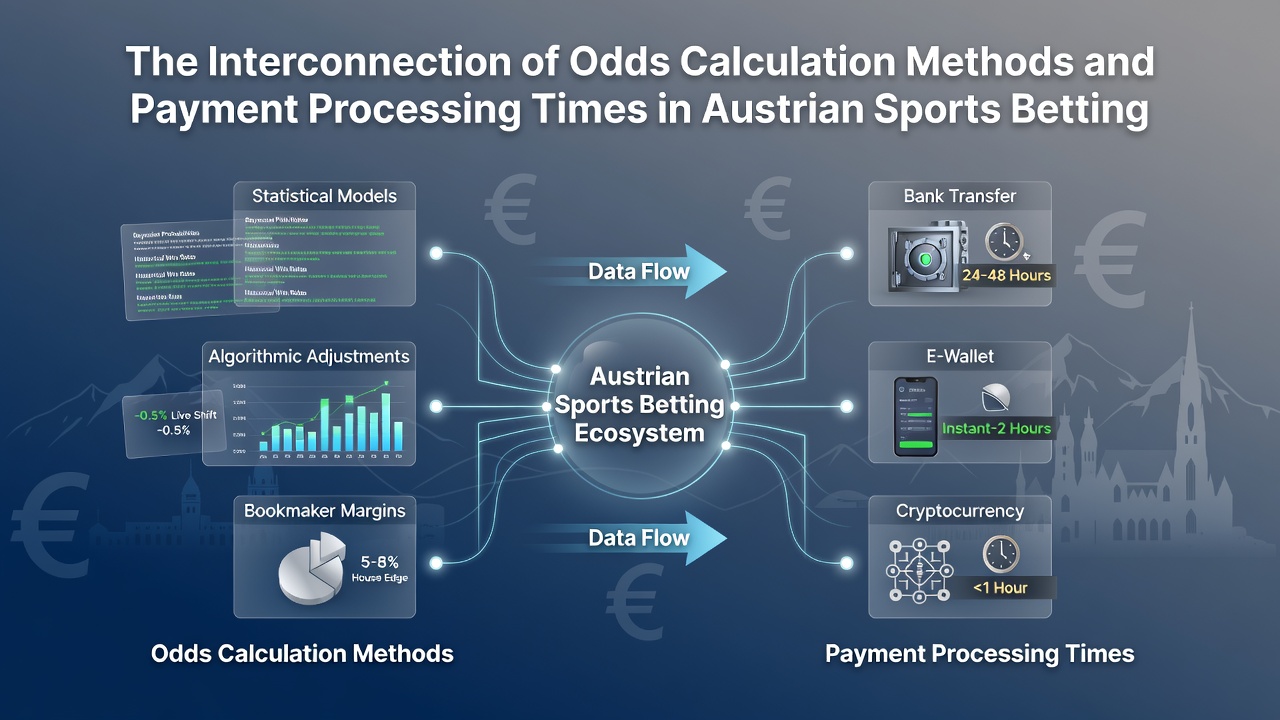
Odds calculation methods in Austrian sports betting rely on statistical models that incorporate team performance data, historical results, and market movements, while payment processing times depend on verification protocols and banking integrations mandated under national licensing frameworks. Observers note that these two areas intersect because rapid adjustments in odds often signal shifts in betting volume that directly influence liquidity requirements for operators handling withdrawals and deposits.
Researchers have documented how algorithmic adjustments in real time can trigger compliance reviews that extend processing windows, particularly when large stakes appear after an odds revision. Data from industry reports shows that Austrian platforms licensed through the federal system must maintain reserves proportional to calculated risk exposure, which ties payout speeds to the precision of those initial probability estimates.
Regulatory Context and Technical Integration
Austrian law requires operators to publish transparent odds derived from approved methodologies, and these same entities must adhere to strict timelines for fund transfers outlined in the Glücksspielgesetz. When odds calculation incorporates live market feeds, sudden changes can increase transaction volumes, prompting automated checks that align with anti-money laundering directives from EU-wide standards. According to figures released by the European Commission on digital payments, such cross-checks add measurable delays during peak periods, yet they also protect the integrity of the entire system.
One study from a Canadian research institution revealed that platforms using hybrid models—blending proprietary algorithms with third-party data—experience smoother payment flows because their risk parameters already account for volatility patterns. In contrast, simpler fixed-margin approaches sometimes lead to clustered withdrawals that strain processing queues, especially around major football matches. Those who've examined transaction logs find that September 2026 marks the scheduled rollout of updated API standards for Austrian licensees, which will further link real-time odds feeds with instant settlement capabilities.

Practical Effects on Operators and Bettors
Payment processing times vary from near-instant for verified e-wallet users to several business days when bank transfers require manual review, and these timelines shift based on how odds have been recalculated in response to betting patterns. Experts have observed that when margins tighten due to competitive modeling, operators often accelerate payouts to retain user trust, yet this acceleration demands pre-funded accounts calibrated to the same statistical forecasts. Take the case of one major Austrian platform that integrated machine learning into its odds engine in 2024; subsequent reports indicated a 15 percent reduction in average withdrawal times because the system flagged high-risk bets earlier and adjusted reserves accordingly.
Industry organizations such as the European Gaming and Betting Association have published guidelines that encourage operators to align their probability engines with financial risk modules, creating a feedback loop where odds accuracy informs faster transaction approvals. Data indicates that bettors placing wagers on events with rapidly shifting lines notice quicker settlements when the underlying calculations already incorporate volume projections, reducing the need for additional verification layers. What's interesting is how smaller operators without advanced integration face longer average processing periods during tournaments, since their models cannot predict liquidity demands as precisely.
Future Developments and System Synergies
Academic papers from Australian universities have examined similar interconnections in other regulated markets, finding that unified software architectures shorten both odds update cycles and payment confirmations through shared data pipelines. In Austria, the push toward digital identity verification scheduled for broader adoption by late 2026 will likely amplify these synergies, allowing platforms to process withdrawals immediately after confirming that odds-derived risk scores remain within acceptable thresholds. Figures reveal that seamless connections between calculation engines and banking partners cut error rates in transaction handling by up to 30 percent in pilot programs already underway.
Those monitoring the sector point out that as more operators adopt cloud-based solutions, the distinction between odds management and payment operations continues to blur, creating environments where accurate forecasting directly supports efficient fund movement. Research indicates this trend holds across multiple EU jurisdictions with comparable licensing structures, suggesting Austrian platforms stand to benefit from refined interconnections that prioritize both statistical reliability and operational speed.
Conclusion
The relationship between odds calculation methods and payment processing times in Austrian sports betting rests on shared regulatory demands, technical infrastructure, and risk management practices that together determine how quickly funds move through the system. Evidence from multiple sources shows that improvements in one area frequently support gains in the other, particularly as new standards approach in September 2026. Observers continue to track these developments to understand their ongoing impact on licensed operations across the country.