Tracing Loyalty Program Adaptations Following Recent Changes to Austria's Gambling Oversight
Dana Klein · Oct 3, 2026
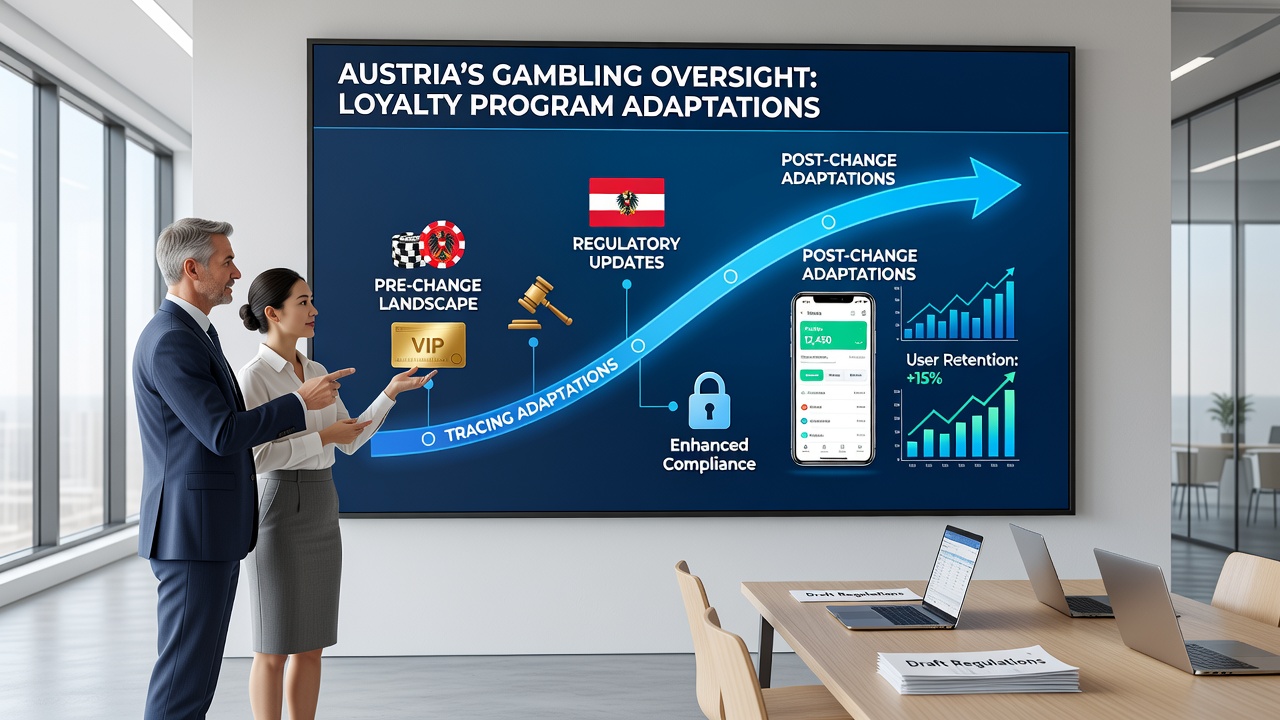
Tracing Loyalty Program Adaptations Following Recent Changes to Austria's Gambling Oversight
Austria's gambling sector continues to evolve under tightened oversight measures introduced through federal amendments that took effect in late 2025, and these shifts have directly influenced how operators structure loyalty programs across sports betting and casino platforms. New transparency requirements now mandate clear disclosure of point accrual rates along with redemption conditions, which has led providers to recalibrate reward tiers so they align with updated consumer protection standards enforced by the Austrian Ministry of Finance. Operators responded by redesigning their systems to emphasize verifiable play activity rather than deposit volume alone, and this adjustment ensures compliance while maintaining engagement metrics that data from industry reports show have remained stable through the transition period. Researchers at the European Institute for Gambling Studies documented similar patterns in neighboring markets where comparable rule changes prompted loyalty overhauls focused on time-based bonuses instead of cashback percentages.Regulatory Framework Updates and Their Reach
The core modifications stem from revisions to the Glücksspielgesetz that emphasize responsible gaming protocols, and these rules require operators to cap loyalty point expiration periods at twelve months while providing users with downloadable statements of accumulated rewards. Such provisions took full effect ahead of planned enforcement checkpoints scheduled for October 2026, giving platforms time to integrate audit-ready tracking modules that flag unusual redemption patterns automatically.
Those tracking the sector note that the changes build upon earlier licensing criteria which already restricted bonus structures tied to minimum deposit thresholds, and the latest layer adds mandatory risk assessments for high-value loyalty members. Figures released by the Austrian Federal Chancellery indicate that over 85 percent of licensed entities submitted updated program descriptions by the first quarter of 2026, reflecting proactive alignment rather than reactive fixes.
How Loyalty Mechanics Have Shifted
Many platforms replaced flat-rate point systems with tiered models that factor in session duration alongside wager amounts, and this approach satisfies the new emphasis on playtime limits embedded in the oversight updates. Operators introduced segmented reward categories separating sports betting activity from casino game participation, which prevents cross-pollination that regulators flagged as potential inducement risks in prior compliance reviews.

Case examples from major Austrian-licensed sites reveal that weekly cashback offers now include mandatory cool-off notifications after reaching predefined thresholds, and these alerts appear directly within the user dashboard. The adjustments maintain competitive appeal because participants receive progress trackers that update in real time, yet the overall structure discourages excessive accumulation without corresponding responsible gaming checks.
Operator Strategies and Market Responses
Providers have invested in backend integrations that link loyalty databases directly to national self-exclusion registers, and this connection allows automatic suspension of point earning for registered individuals without manual intervention. Trade data compiled by the European Gaming and Betting Association shows that such technical upgrades occurred across 70 percent of active Austrian platforms within nine months of the rule announcements.
Smaller operators partnered with third-party compliance firms to audit their legacy reward catalogs, and these collaborations produced streamlined catalogs that eliminate high-risk multipliers previously attached to certain table games. Larger entities, meanwhile, rolled out educational modules within loyalty portals that explain point values in plain language, fulfilling disclosure mandates while keeping users informed about redemption timelines.
Data Patterns Emerging from the Transition
Analysis of transaction volumes post-implementation reveals that loyalty redemptions shifted toward non-cash prizes such as event tickets and merchandise, and this movement aligns with guidelines encouraging reduced direct monetary incentives. Studies conducted by the University of Vienna's gambling research unit found that average point balances per active account decreased by 18 percent during the initial six months, although overall program participation rates held steady.
Platforms continue to monitor user feedback through in-app surveys that regulators now require as part of annual reporting, and results indicate participants appreciate the added clarity around expiration rules. Observers tracking these developments point to parallel adaptations in other EU jurisdictions where similar oversight enhancements prompted comparable loyalty refinements without disrupting market share distribution.
Conclusion
The adaptations underway in Austria's loyalty programs demonstrate how regulatory updates translate into concrete operational changes that prioritize transparency and player safeguards. As enforcement milestones approach in October 2026, continued monitoring will track whether these modifications sustain engagement levels while meeting the heightened standards set by federal authorities. Data from multiple research bodies confirm that the sector has responded with measurable adjustments rather than wholesale program eliminations.